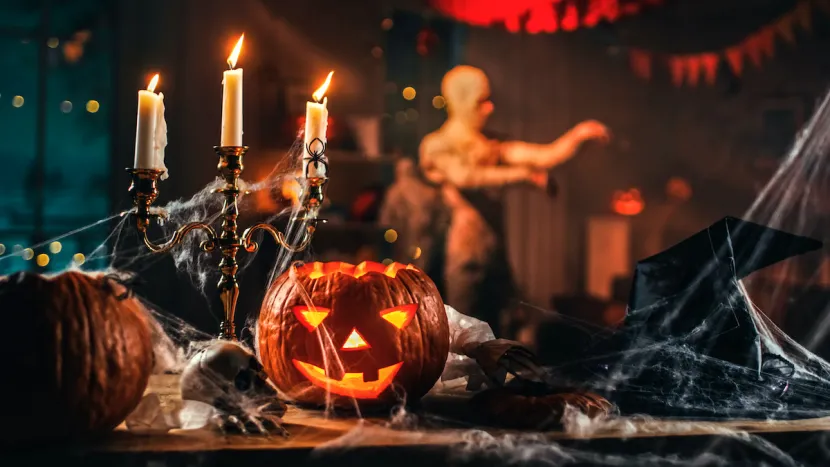
Origins of Halloween
Halloween traces its roots back to the ancient Celtic festival of Samhain, celebrated over 2,000 years ago in what is now Ireland, the United Kingdom, and parts of Northern France. The Celts, who primarily relied on agricultural activities, marked November 1 as their New Year, symbolizing the transition from the fruitful harvest season to the darker, colder winter—a period often associated with death. They believed that on the night before the New Year, the boundary between the living and the dead became blurred, allowing spirits to roam the earth.
To protect themselves from these wandering spirits, the Celts would extinguish their home fires and gather around massive bonfires built by their druids, or priests, where sacrifices of crops and animals were made to appease their deities. They wore costumes, often crafted from animal skins and heads, to disguise themselves from any malevolent spirits that might harm them. This ritual was also seen as a way to predict the future, as the Celts believed that Samhain was a time when supernatural forces were at their peak, enabling druids to communicate with the otherworld.
The end of October marked the end of the harvest and the beginning of winter, a time of scarcity and darkness. Fires were lit to symbolize hope and protection, casting light to ward off the spirits of the dead. This festival has evolved significantly, but many of its core elements, such as bonfires and costumes, have remained central to Halloween celebrations.
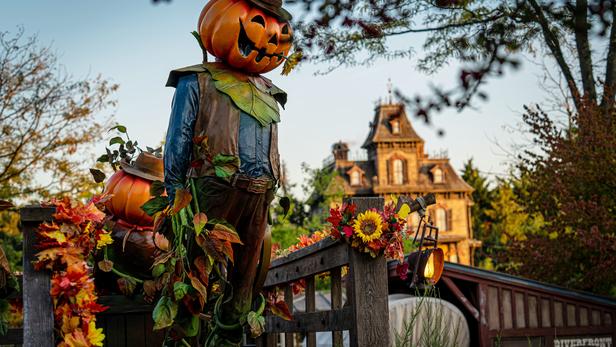
Why We Celebrate Halloween
As centuries passed, Halloween traditions began to mix with Roman and Christian influences. When the Romans conquered Celtic territories, they blended Samhain traditions with their own festivals. Feralia, a day to honor the dead, and a celebration of Pomona, the goddess of fruits and trees, were incorporated. This may explain why apples, a symbol of Pomona, became associated with Halloween—think of apple bobbing, a popular Halloween game.
Later, in the 9th century, Christianity spread through Celtic lands, and the church sought to replace pagan festivals with Christian ones. Pope Gregory III designated November 1 as All Saints’ Day, or All Hallows’ Day, in honor of saints and martyrs. The evening before became known as All Hallows' Eve, and eventually Halloween. Despite these changes, Halloween retained many of its eerie, mysterious elements, as people continued to celebrate with bonfires, costumes, and rituals to ward off evil.
Today, Halloween is celebrated as a night of fun and mystery, with people embracing the supernatural and the thrill of the unknown. Activities such as trick-or-treating and haunted houses allow people to explore their playful side and experience a connection with the ancient world of spirits and folklore.
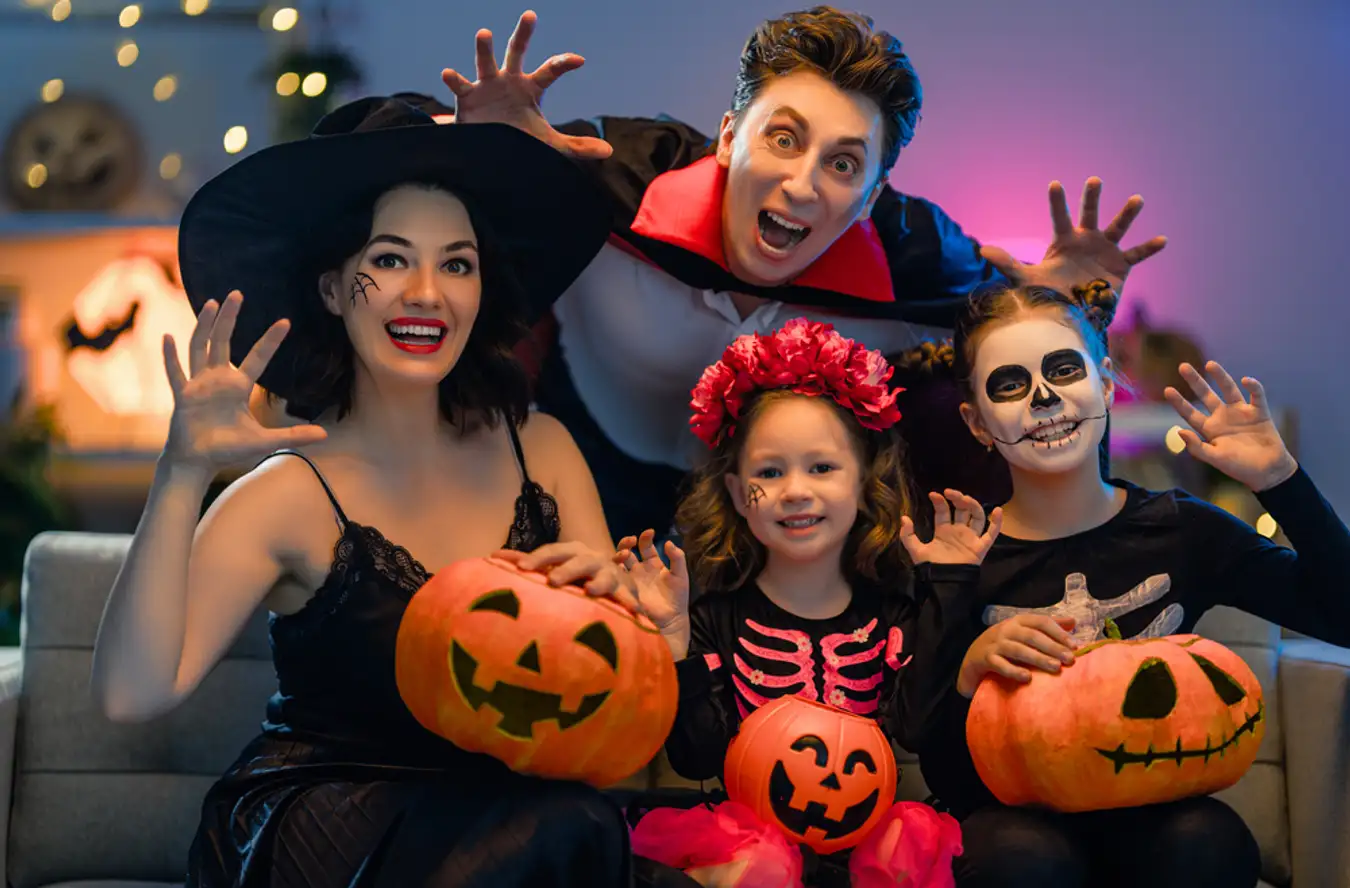
The Evolution of Costumes
Costumes have been a central part of Halloween since its origins, with the Celts wearing animal skins to disguise themselves from spirits. As Halloween spread across different cultures, costumes evolved in fascinating ways. In medieval times, people would dress as saints, angels, or demons as part of "souling," a tradition where poor citizens begged for food in exchange for prayers for the dead, often carrying lanterns made from hollowed-out turnips.
In the United States, Halloween costumes became more popular in the early 20th century, with children and adults dressing as ghosts, witches, and other spooky characters. Over time, these costumes expanded to include figures from popular culture, folklore, and even comedic or satirical representations. Today, Halloween costumes reflect a mix of horror, fantasy, and pop culture, as people embrace the opportunity to transform into something—or someone—completely different for a night.
The creativity in Halloween costumes is boundless, with elaborate costumes ranging from classic monsters like vampires and zombies to iconic movie characters. Halloween encourages everyone, from children to adults, to express their creativity and play with the concepts of identity and transformation.
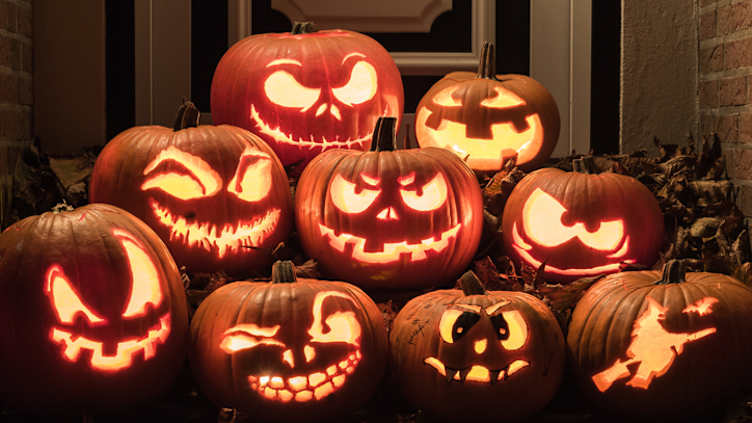
The Story of the Jack-o'-Lantern
The Jack-o'-Lantern is one of the most iconic symbols of Halloween, with its eerie, carved face and glowing candle inside. This tradition comes from an Irish myth about Stingy Jack, a cunning man who tricked the Devil multiple times, only to be denied entry to both heaven and hell. Cursed to wander the earth for eternity, Jack carried a lantern made from a hollowed turnip, lit by an ember given by the Devil.
When Irish immigrants brought this tradition to America, they found that pumpkins, native to the region and larger than turnips, were perfect for carving. Thus, the Jack-o'-Lantern as we know it was born. The tradition of carving scary faces into pumpkins is believed to ward off evil spirits and add a spooky atmosphere to Halloween nights. Today, families carve pumpkins into intricate designs, often showcasing their creativity and skill.
The process of carving a Jack-o'-Lantern has become a beloved Halloween activity, with pumpkin patches and carving kits readily available each October. The glowing face of a Jack-o'-Lantern remains a symbol of Halloween's blend of fun, fright, and folklore.
Modern Halloween Traditions
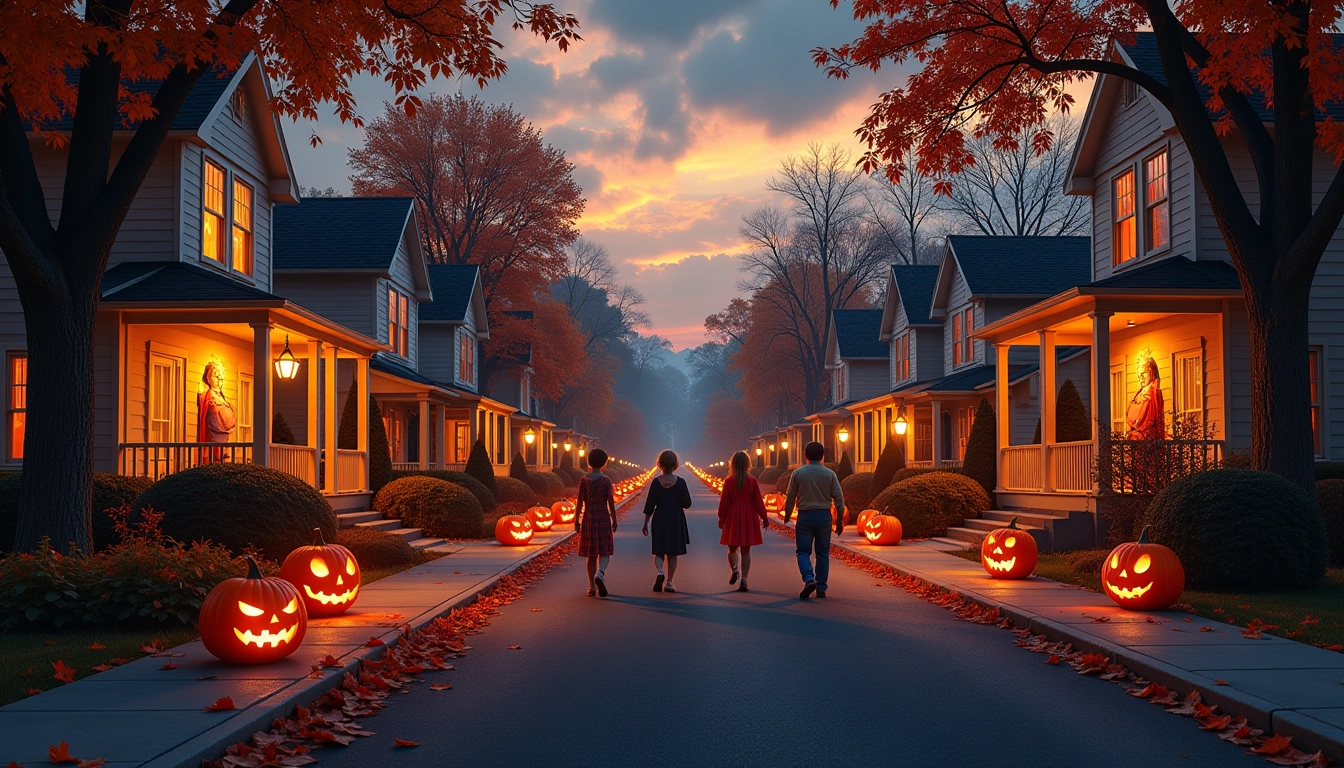
Modern Halloween traditions are a lively mix of the old and new. Trick-or-treating, one of Halloween's most beloved activities, began in the early 20th century in the United States, where children dressed in costumes go door-to-door asking for candy. This custom encourages community involvement, as neighbors decorate their homes with spooky decorations, from cobwebs and skeletons to elaborate haunted house setups.
Halloween parties have also become a big part of the celebration, with costume contests, themed foods, and horror movie marathons. Haunted houses, both amateur and professional, provide thrilling experiences, allowing people to immerse themselves in scenes of horror. Many cities also host Halloween parades, such as the famous Village Halloween Parade in New York City, where thousands gather in creative costumes to celebrate together.
Beyond the costumes and candy, Halloween has also inspired creative expressions through makeup, home décor, and themed events. The holiday serves as a canvas for people to express their love for the supernatural and to create lasting memories. From spooky playlists to pumpkin-flavored treats, Halloween today is a celebration that brings communities together in joy, creativity, and just a hint of fright.